Explore top-tier CE-certified machinery optimized for high-precision screen preparation and digital inkjet applications.
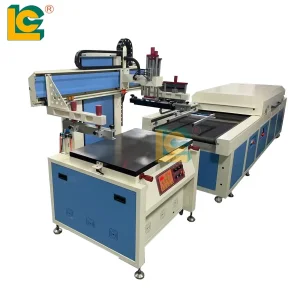

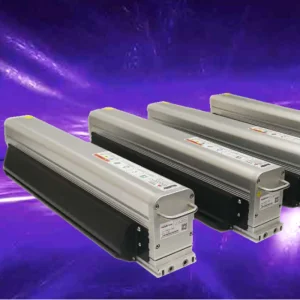
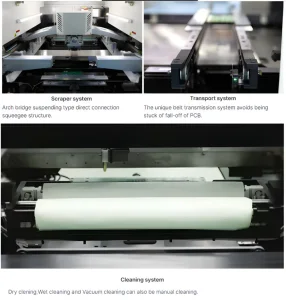
A comprehensive analysis of optical integration, UV wavelength calibration, and vacuum kinetics in modern screen plate-making.
In modern industrial silk screen printing, screen exposure units function as the foundational core of stencil reproduction accuracy. A CE certified screen exposure unit is engineered to transfer high-density graphic patterns from photolithographic film or digital carrier media onto photo-emulsion-coated mesh frames. The process demands stringent optical consistency, spectral matching, and pneumatic vacuum integrity to guarantee dot fidelity, micro-line definition, and zero halftone erosion.
Photopolymer emulsions and diazo coatings exhibit maximum cross-linking sensitivity within the ultraviolet range of 365 nanometers to 405 nanometers. High-performance exposure equipment utilizes either precision metal-halide lamps enriched with gallium/iron dopants or modern LED UV light matrices. The emission spectrum must match the photochemical absorption peak of the stencil emulsion to prevent under-exposure (which causes premature breakdown during printing runs) or over-exposure (which causes light diffraction and edge bleed).
Image crispness requires absolute physical contact between the film positive and the emulsion surface. Residual air pockets lead to optical refraction, causing halo effects and line broadening. Professional exposure units utilize high-vacuum oil-less pumps paired with anti-static flexible rubber blankets and ultra-clear optical float glass. The drawdown speed and vacuum retention must maintain less than 0.02 mbar vacuum level before exposure sequencing initiates.
CE Certification serves as a mandatory indicator for machinery marketed within the European Economic Area (EEA) and global markets adhering to strict regulatory frameworks. For screen exposure units, certification entails rigorous testing under:
China's centralized industrial clusters enable immediate sourcing of optical glass, quartz reflectors, digital microprocessor timers, and pneumatic seals, drastically shortening production lead times.
Advanced Chinese manufacturers invest heavily in UV-LED matrix engineering, integrating smart microcontrollers that calculate exact millijoule (mJ/cm²) light energy doses for repeatable plate quality.
By leveraging standardized modular manufacturing and high-throughput production runs, tier-1 suppliers deliver enterprise-grade machinery at highly competitive Total Cost of Ownership (TCO).
Combining industrial digital innovation, advanced optical engineering, and global export capabilities.
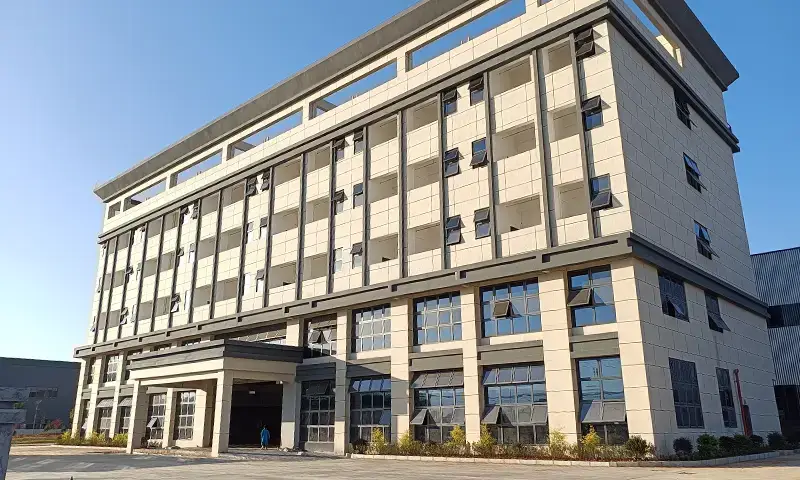
Foshan Fusion Digital Print Co., Ltd. is a dynamic and innovation-driven enterprise specializing in industrial digital printing, advanced inkjet technology, and surface decoration solutions. Located in Foshan, a well-known manufacturing hub in China, the company benefits from a strong industrial ecosystem and convenient global logistics.
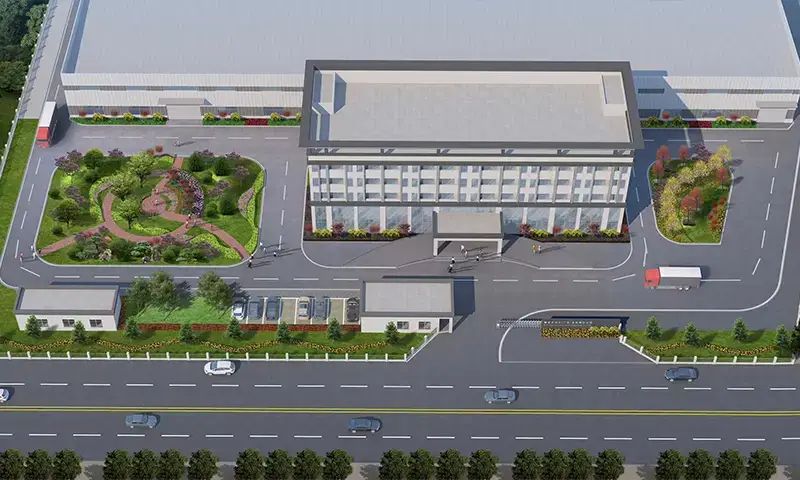
The company operates from a modern production facility covering over 8,000 square meters, equipped with advanced manufacturing and testing equipment to ensure consistent product quality. Foshan Fusion Digital Print Co., Ltd. employs a professional team of more than 120 skilled staff, including experienced engineers, R&D specialists, and technical service personnel dedicated to continuous innovation and customer support.
Focusing on high-performance digital printing systems, the company provides integrated solutions widely used in textiles, ceramics, glass, and industrial materials. Its product portfolio emphasizes precision, efficiency, and adaptability, helping clients optimize production processes and reduce operational costs.
With a commitment to technological advancement and strict quality control, Foshan Fusion Digital Print Co., Ltd. has established long-term partnerships with customers across global markets. The company continues to invest in research and development, aiming to deliver reliable, intelligent, and future-ready printing solutions for modern manufacturing industries.
Key innovations driving the transition from legacy metal-halide bulbs to intelligent, eco-friendly exposure systems.
Traditional 3KW-5KW mercury halide lamps consume vast electrical power and require warm-up delays. Modern UV-LED arrays provide instant ON/OFF functionality, reducing power consumption by up to 70% while extending lamp lifespan from 1,000 hours to over 20,000 hours.
Legacy timer systems rely on static seconds, ignoring lamp spectral decay over time. Advanced units incorporate real-time UV sensor integrators that automatically extend exposure duration as bulb output degrades, ensuring identical energy dosage (mJ/cm²) across every cycle.
The integration of direct-laser imaging eliminate physical film films entirely. Screen exposure systems are increasingly fitted with high-resolution digital micro-mirror devices (DMD) to project bitmap artwork straight onto the screen emulsion with 2540 DPI precision.
Engineering parameters for industrial selection, factory budgeting, and operational planning.
| Performance Metric | Conventional Metal Halide Units | Next-Gen UV-LED Matrix Units | CTS Digital Laser Exposure |
|---|---|---|---|
| Primary Wavelength Band | 365 nm – 420 nm (Broadband) | 365 nm / 395 nm Dual-Narrowband | 405 nm Monochromatic Laser |
| Energy Consumption | High (3,000W – 7,000W continuous) | Low (400W – 1,200W dynamic) | Moderate (800W – 1,500W) |
| Bulb / Light Source Life | 800 – 1,200 Operating Hours | 20,000+ Operating Hours | 15,000 Operating Hours |
| Warm-up & Standby Time | 3–5 minutes warm-up required | Instant ON/OFF (0 seconds) | Instant ON/OFF (0 seconds) |
| Thermal Heat Dispersal | High IR output (requires quartz cooling) | Minimal thermal transfer to film | Zero direct heat on film glass |
| CE Safety Requirement | Ozone extraction + high UV shielding | Standard UV shield enclosure | Class 1 Enclosed Laser Housing |
Tailored exposure technologies optimized across diverse industrial printing verticals.
PCB manufacturing demands extreme edge sharpness for solder mask application and component legend printing. Exposure units in this sector must feature multi-zone vacuum suction and collimated light systems. Refracted light rays must be restricted within ±2 degrees of vertical incidence to prevent sub-surface light bleed under trace gaps as small as 50 microns.
Textile screen printing applications utilize thick emulsion coatings to transfer high-viscosity plastisol, water-based, and silicone inks. Exposure units tailored for textile suppliers emphasize high-intensity light penetration, ensuring full emulsion polymerization through stencil thicknesses up to 200 microns without compromising fine line details.
Large-format glass decoration and solar panel silver grid line printing require massive exposure frames exceeding 2000mm x 3000mm. Chinese suppliers engineer heavy-duty vertical loading exposure tables with dual-vacuum pumps and pneumatic glass lid lifts, maintaining structural glass planarity under structural vacuum stresses.
Printing on curved surfaces such as cosmetic jars, cylindrical bottles, and beverage cups requires curved or small-format screens with precise tensioning. Exposure equipment must provide rapid digital timing cycles and uniform light density to handle high daily screen turnaround counts in continuous packaging factories.
A structured framework for international procurement directors auditing exposure unit suppliers.
Selecting a reliable supplier for CE certified screen exposure units requires systematic evaluation beyond equipment sticker prices. International procurement departments must conduct comprehensive risk assessments covering technical compliance, quality assurance, and operational support capability.
Expert solutions to common technical queries regarding CE certification, operation, and maintenance.
CE certification proves that the screen exposure unit complies with rigorous European safety, health, and environmental protection directives. This includes electrical safety (Low Voltage Directive), electromagnetic compatibility (EMC directive), and mechanical operator protection (Machinery Directive).
UV lamps naturally degrade in light output over time. A simple digital timer only counts seconds, resulting in under-exposed screens as the lamp ages. A UV light integrator measures actual ultraviolet energy (mJ/cm²) arriving at the screen, adjusting exposure length automatically for total exposure consistency.
Soft emulsion or pinholes are generally caused by under-exposure, incorrect UV light spectrum matching, inadequate vacuum contact, or dust particles trapped between the artwork film positive and the screen. Ensuring proper drawdown pressure (<0.02 mbar) and clean optical glass prevents these defects.
UV-LED systems provide immediate instant ON/OFF operation (eliminating warm-up times), consume 60-70% less electricity, generate negligible surface heat (protecting film dimension integrity), and offer up to 20,000+ service hours compared to 1,000 hours for traditional metal halide bulbs.
Maintenance includes routinely cleaning the optical glass with non-abrasive anti-static cleaner, inspecting the rubber vacuum blanket for tears or debris, checking vacuum pump oil levels (for lubricated pumps), and monitoring light integrator calibration quarterly.
Yes. Premium exposure units featuring full UV spectrum coverage (365nm to 405nm) or dual-wavelength LED arrays effectively cure all standard emulsion chemistries, including pure photopolymer, diazo dual-cure, and capillary film systems.
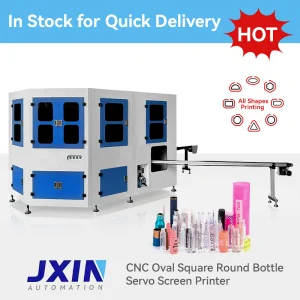
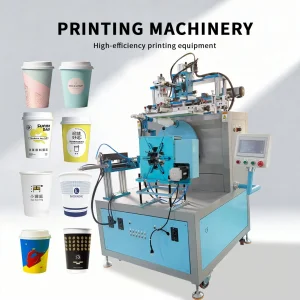
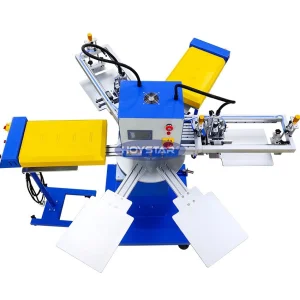
Discover our complementary line of industrial screen printers, hot stamping systems, and automated assembly solutions.
 Fusion Digital Print