What Affects Color Consistency in Printing Processes?

Time:2026-08-16 Author:Mason
0%

In the realm of printing, achieving color consistency is paramount. Many factors influence this vital aspect. "What affects color consistency in printing processes" includes variables like ink quality, substrate texture, and environmental conditions. According to the "Global Printing Industry Report 2023," 73% of print providers face challenges in maintaining color accuracy across different jobs.

Industry expert Dr. Emily Carter emphasizes, “Color consistency is not just a technical challenge; it's about trust between the printer and the client.” This statement highlights the significance of reliable processes in printing. Variability can stem from several sources, such as fluctuating humidity levels or ink drying times. The subtleties of these factors can lead to noticeable differences in print jobs.

Moreover, most printing companies often overlook the importance of calibration. Regular color calibration using spectrophotometers ensures that printers remain aligned with color standards. Failure to do so can result in significant discrepancies. Thus, understanding "what affects color consistency in printing processes" must entrench itself within the operational strategies of print service providers.
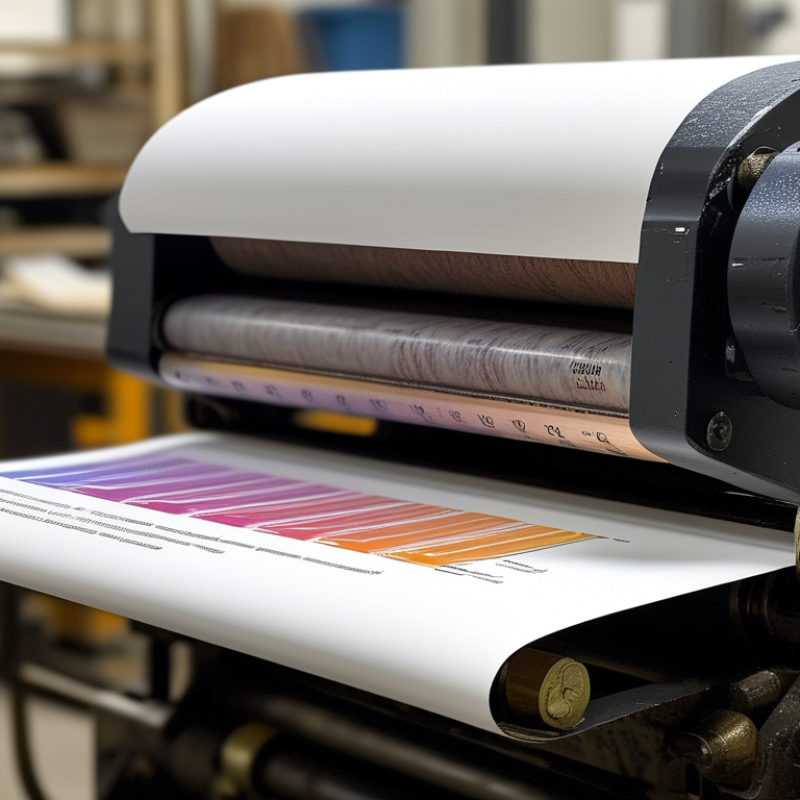
What Affects Color Consistency in Printing Processes?

Factors Influencing Ink Formulation in Printing Consistency

Ink formulation plays a crucial role in achieving color consistency in printing processes. Several factors can influence this formulation, impacting overall print quality. Viscosity, pigment concentration, and the interaction with other components are vital. A recent industry report highlighted that 35% of printing defects stem from inadequate ink formulation. This figure underscores the importance of precise ink development.


The selection of raw materials affects color output. For instance, the type of pigments used can introduce variability if not properly matched. A study found that using low-quality pigment can cause color shifts in 40% of prints. Additionally, solvents and binders should complement each other to ensure a uniform application. This complexity reveals the need for continuous formulation testing and adjustments.


Environment conditions also play a significant role. Humidity and temperature fluctuations during the printing process can lead to inconsistent results. Research shows that 25% of printers face challenges with environmental factors affecting ink performance. It's clear that maintaining consistent conditions is essential, yet often overlooked in production settings. Continuous monitoring can mitigate these issues, promoting higher print quality.

Impact of Paper Quality and Type on Color Consistency

Color consistency is crucial in printing, and paper quality plays a significant role. Different types of paper absorb ink differently. For instance, glossy paper absorbs less ink than matte paper. This difference impacts how vibrant or muted a color appears upon printing.

Moreover, the texture of the paper influences ink spread. Rough surfaces can result in uneven ink distribution. Consequently, colors may look different depending on the chosen paper type. It’s essential to test various combinations to achieve the desired result. Even slight variations in paper texture can lead to noticeable differences in printed color.

Reevaluation of paper choice is necessary for consistent results. Some printers may overlook the importance of paper selection. It’s easy to assume all paper types work alike, but this is misleading. Inconsistent outcomes can lead to frustration for businesses that rely on accurate branding. A mindful approach to paper quality ensures better control over color consistency in printing.

What Affects Color Consistency in Printing Processes? - Impact of Paper Quality and Type on Color Consistency

Paper Type Brightness (%) Weight (gsm) Surface Finish Color Consistency Score
Coated Paper 92 150 Glossy 85
Uncoated Paper 86 200 Matte 75
Recycled Paper 80 180 Satin 70
Photo Paper 95 250 High Gloss 90
Cardstock 88 300 Smooth 80

Role of Printing Technology in Achieving Color Accuracy

The technology used in printing significantly impacts color accuracy. Different printing processes, such as offset and digital, each have unique ways of mixing inks. This variance can lead to differences in how colors appear on printed materials. For instance, offset printing relies on a dot pattern to produce images. The size and frequency of these dots can affect color perception. In contrast, digital printing utilizes a more direct approach, but it may sometimes struggle with consistency.

Understanding color management systems is crucial for ensuring accuracy. These systems calibrate printers to maintain color fidelity across different devices. However, even the most advanced systems can encounter challenges. For instance, variations in paper type or environmental conditions can alter the final output. It's essential to regularly check and adjust these settings. A perfect match is often more elusive than expected. This highlights the need for ongoing assessment in the printing process.

Despite advancements, achieving absolute color consistency is an ongoing challenge. Some printers face difficulties in replicating colors accurately, especially when dealing with complex images. It’s important to recognize these limitations and address them through careful planning and testing. Continuous learning and adaptation in printing technology are vital for improvement.

Factors Affecting Color Consistency in Printing Processes

Environmental Conditions Affecting Color Stability in Printing

Environmental conditions play a crucial role in color stability during printing processes. Factors like temperature, humidity, and lighting can drastically affect printed colors. High humidity can cause inks to absorb moisture, leading to unexpected color shifts. Conversely, low humidity can result in faster drying times, impacting the ink's appearance.

Light plays another significant role. Natural daylight can reveal different hues and tones compared to artificial lighting. A print that looks vibrant under one light may appear dull under another. This inconsistency can be frustrating for printers and clients alike. It’s essential to select lighting conditions that are consistent and representative of the final viewing environment.

Monitoring and controlling these environmental factors can improve color consistency. However, not all enterprises have the means to maintain ideal conditions at all times. Sometimes, printers must adapt to less-than-perfect environments. The result can be variations that prompt deeper reflection on processes and techniques. Thus, understanding and addressing these environmental challenges is vital for achieving reliable color results in printing.

Importance of Calibration and Profiling in Print Color Management

Color consistency in printing requires careful calibration and profiling. Calibration involves adjusting the printing device to ensure accurate color output. A well-calibrated printer can reduce color variance by 80%, according to industry studies. These adjustments help maintain the same brightness and saturation across multiple prints, which is crucial for professional applications.

Profiling complements calibration by creating a color profile tailored to specific media. This profile acts as a reference guide, helping printers achieve desirable color reproduction. Research shows that using accurate profiles can enhance color accuracy by up to 30%. However, misconfigurations or outdated profiles can lead to inconsistent results. Many professionals overlook regular updates, risking color fidelity in critical projects.

Despite these tools, challenges remain. Variations in ambient light and paper type can still affect final output. For instance, prints designed for glossy paper might look different on matte surfaces. Thus, awareness of these variables is important. Continuous learning about color management practices is necessary.

FAQS

: What influences ink formulation in printing?

: Ink formulation is influenced by viscosity, pigment concentration, and interactions with other components.

Why is ink formulation crucial?

Inadequate ink formulation causes 35% of printing defects. Precise ink development is essential for quality.

How do raw materials impact color output?

The type of pigments affects color consistency. Low-quality pigments can cause shifts in 40% of prints.

What role does paper quality play in printing?

Paper quality affects ink absorption and color vibrancy. Glossy paper absorbs less ink than matte paper.

How does paper texture influence color?

Rough paper surfaces lead to uneven ink distribution. This can cause colors to appear different than expected.

Why is reevaluating paper choice important?

Consistent results depend on the right paper. Overlooking paper selection leads to frustrating outcomes for businesses.

What environmental factors affect print color stability?

Temperature, humidity, and lighting significantly impact printed colors and their stability during the printing process.

How does humidity affect ink performance?

High humidity can cause inks to absorb moisture, leading to unexpected color shifts during printing.

Why is consistent lighting important for printed colors?

Different lighting can change the appearance of colors. Natural light differs from artificial light, impacting vibrancy.

What can printers do about environmental challenges?

Monitoring factors and adjusting processes can help achieve better color consistency, even in less-than-ideal conditions.

Conclusion

Understanding what affects color consistency in printing processes is crucial for achieving high-quality prints. Several factors play significant roles in this regard. First, the formulation of ink is critical; variations in ink composition can lead to inconsistencies in color output. Additionally, the quality and type of paper used can significantly impact how ink interacts with the substrate, affecting the final appearance.

Another important aspect is the printing technology employed. Different printers and methods can yield varying levels of color accuracy. Moreover, environmental conditions such as temperature and humidity can influence color stability, leading to potential discrepancies in print results. Finally, regular calibration and profiling are essential practices in print color management, ensuring that printers deliver consistent and predictable color outcomes. By considering these elements, printers can enhance color consistency and quality across their operations.

Mason

Mason

Mason is a seasoned marketing professional with a deep expertise in the company's offerings and a passion for driving brand awareness. With a strong background in digital marketing strategies, he has an innate ability to connect with diverse audiences and effectively communicate product benefits.......